
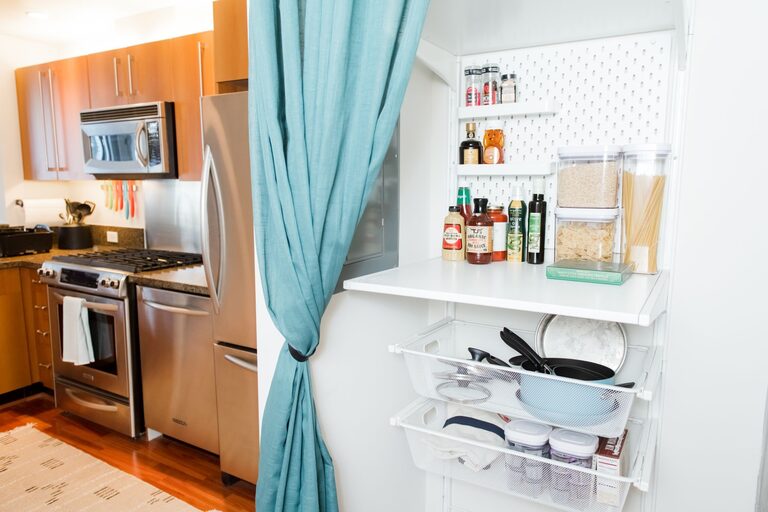
Keeping your fridge and pantry tidy might seem like a never-ending task, but with a few simple habits and organization tips, you can maintain a fresh and efficient kitchen space. A clean, well-organized fridge and pantry not only make it easier to find what you need but also help reduce food waste and save money. Let’s explore how to achieve and maintain a tidy fridge and pantry step by step.
Why Keep Your Fridge and Pantry Organized?
Before diving into the how-to, it’s worth understanding the benefits of a tidy fridge and pantry:
– Easier meal prep because ingredients are easy to find.
– Reduced food waste by seeing what you have before buying more.
– Improved food safety by minimizing spoilage and contamination.
– More efficient grocery shopping through better inventory awareness.
– A more pleasant kitchen environment that feels welcoming and under control.
With these advantages in mind, let’s look at the practical steps you can take.
Getting Started: Clean Out and Assess
1. Empty Everything
Start fresh by removing all items from your fridge and pantry. This gives you a complete overview of what you have and allows you to clean the surfaces properly.
– Place perishable items in a cooler with ice packs while you work on the fridge.
– Sort pantry items onto a counter or table.
2. Check Expiration Dates and Quality
Go through each item and decide what to keep:
– Discard expired or spoiled foods.
– Donate unopened, non-expired pantry items you won’t use.
– Set aside items you want to use soon in a “priority” section when restocking.
3. Clean Thoroughly
Wipe down all shelves, drawers, and containers with mild soap and warm water. Dry everything completely before returning items.
– For fridges, remove and clean drawers separately.
– Use a gentle disinfectant if desired, but avoid harsh chemicals near food.
Organizing Your Fridge: Tips and Tricks
1. Group Similar Items Together
Group foods according to category and storage needs. For example:
– Dairy products
– Fruits and vegetables
– Leftovers and prepared foods
– Meats and seafood
– Condiments and sauces
This helps you find items faster and keeps food fresher by storing it in optimal zones.
2. Use Clear Containers and Labels
Invest in stackable, clear storage containers to keep food visible and reduce clutter. Label containers with contents and dates.
– Use airtight containers to prevent odors and spoilage.
– Glass containers are great for leftovers and reduce plastic waste.
– Consider lazy Susans or bins to keep smaller items accessible.
3. Adjust Shelves for Efficiency
Most fridges have adjustable shelves — use this feature to tailor the space to your needs.
– Higher shelves can hold lighter items.
– Keep raw meats on the lowest shelf to avoid drips contaminating other foods.
– Use drawers for fruits and vegetables; regulate humidity if your fridge allows.
4. Maintain Temperature Zones
Keep your fridge’s temperature between 35°F and 38°F (1.6°C to 3.3°C) for optimal freshness.
– Store dairy products near the back where it’s coldest.
– Avoid overloading shelves to allow proper air circulation.
Organizing Your Pantry: Simple Strategies
1. Categorize Pantry Items
Group pantry staples into clear categories, such as:
– Grains and pasta
– Canned goods
– Baking supplies
– Snacks and cereals
– Spices and seasonings
Keep frequently used items at eye level or front for easy access.
2. Use Containers and Jars
Transfer loose items like flour, rice, and legumes into airtight jars or containers.
– Clear containers help you see quantities remaining.
– Uniform containers stack neatly and save space.
– Label jars with contents and expiration dates.
3. Utilize Shelf Organizers and Bins
Use shelf risers, baskets, or bins to maximize vertical space and prevent small items from getting lost.
– Store small packets and spice jars in baskets.
– Use tiered racks for canned goods.
– Group snacks in a dedicated bin for quick grab-and-go.
4. Rotate Items Using the FIFO Method
First In, First Out (FIFO) means using older items before newer ones.
– When restocking, place new items behind older ones.
– This reduces waste and helps keep your pantry fresh.
Daily and Weekly Maintenance Tips
1. Make It a Routine
Set aside a few minutes each day or week to:
– Wipe spills immediately.
– Toss expired or spoiled foods.
– Reorganize and put items back in their designated spot.
2. Keep a Grocery List
Maintain a running grocery list to avoid overbuying and duplicates.
– Use dry-erase boards, apps, or note pads.
– Check your fridge and pantry before shopping.
3. Use Clear Storage “Zones”
Designate specific areas for meal prep ingredients, snacks, and special diets (gluten-free, vegan, etc.) for easy identification.
4. Clean Deeper Monthly
Once a month, do a thorough clean and re-organization to keep everything fresh and efficient.
Extra Tips for Success
– Avoid overcrowding; both fridge and pantry need airflow.
– Keep heavy items on lower shelves or the floor of the pantry.
– Store herbs and leafy greens properly wrapped to extend life.
– Use fridge door compartments for condiments, but avoid storing milk there as the temperature fluctuates.
– Consider a chalkboard or whiteboard on the pantry door to write reminders or meal plans.
—
By following these practical steps, keeping your fridge and pantry tidy becomes manageable and even enjoyable. A well-organized kitchen space not only supports healthier eating habits but also creates a more peaceful and productive cooking environment. Start small, build the habit, and enjoy the benefits of a tidy, fresh kitchen!
About the Author